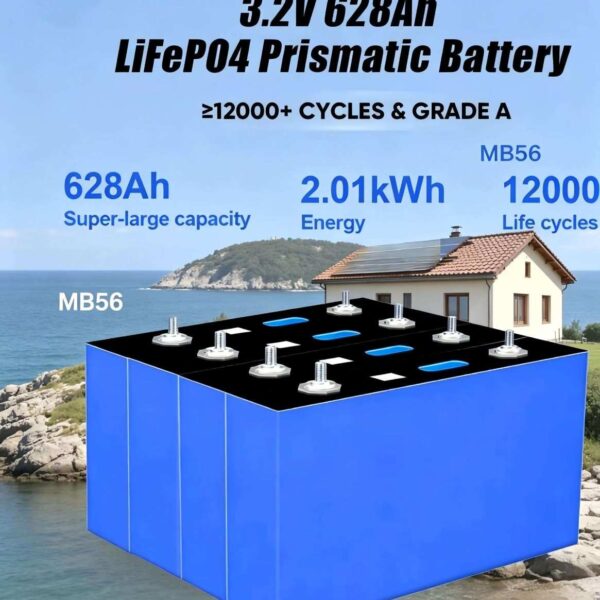
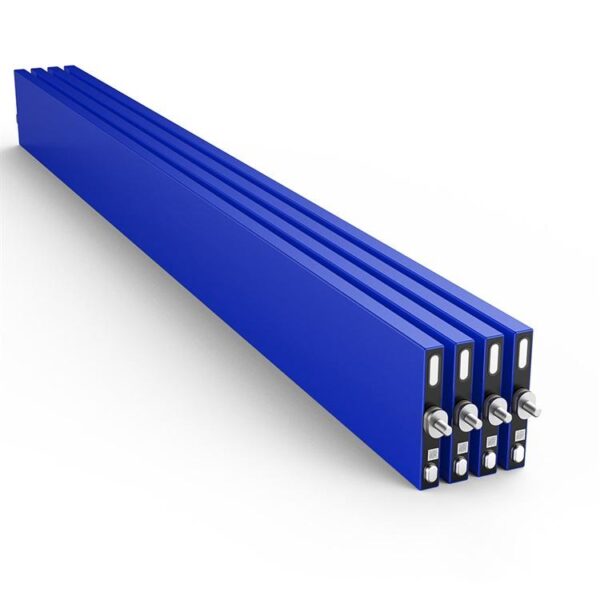
CATL 3.2V 530Ah

$95.82

CATL Grade A 530Ah LiFePO4 prismatic. Massive capacity for large-scale solar and off-grid storage.

4 in stock

SKU: CATL-3V2-530AH Category: Tags: , , , ,

CATL 3.2V 530Ah

The ATLCATL 3.2V 530Ahbrings industrial-grade energy storage to DIY builders.

Key Features

  • 530Ah per cell
  • Grade A — top CATL production
  • LiFePO4 — no thermal runaway
  • 3,500+ cycle life

Technical Specifications

Specification Value
Manufacturer CATL
Grade Grade A
Chemistry LiFePO4
Nominal Voltage 3.2V
Max Voltage 3.65V
Capacity 530Ah
Energy ~1,700Wh per cell
Cycle Life 3,500+
Format Prismatic

Safety Warning for Lithium Battery Usage

Customers should have a clear understanding of lithium battery handling and safety before making a purchase. Lithium batteries are highly sensitive and may pose fire, burn, or explosion risks if improperly handled. Always charge batteries on fire-resistant surfaces, and never leave them charging unattended.

  • Not for Use in E-Cigarettes or Similar Devices
  • Risk of Fire and Explosion: Misuse can cause batteries to ignite, explode, or release harmful gases.
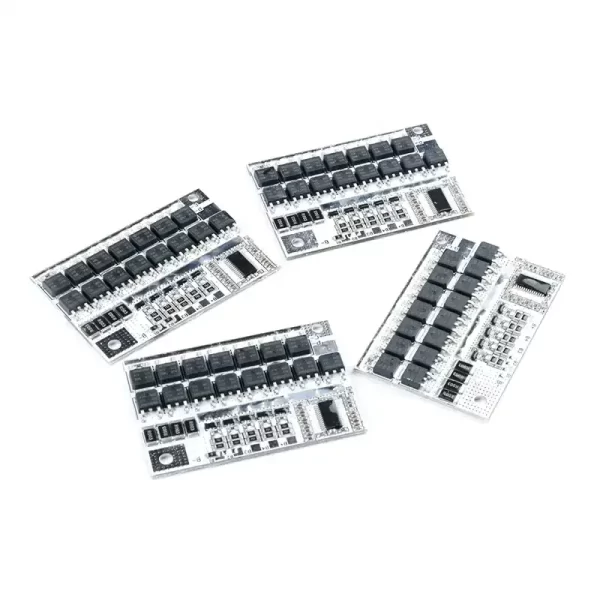
  • Always Use in a Protected Pack with appropriate BMS circuitry.
  • Proper Storage and Handling: Store in protective cases, away from metal items.
  • Inspection Prior to Use: Do not use batteries with damaged wrappers or visible damage.
  • Follow Manufacturer Charging Specs: Avoid overcharging or over-discharging.
  • Heat and Water Precautions: Do not expose to high temperatures or liquids.
  • Assembly: Batteries should only be spot welded; do not solder directly onto terminals.

For Resellers: Please ensure all safety information is passed along to end users.

Cell Specification

Item Specification and comments
Cell model CATL 3.2V 530Ah prismatic LiFePO4 cell
Chemistry LiFePO4 (LFP) prismatic cell for ESS (home / industrial)
Standard capacity 530Ah – prismatic cell, rated at 0.5C discharge
Nominal voltage 3.2V
Energy (nominal) ≈1.70kWh (3.2V × 530Ah)
Internal resistance 0.17 ± 0.05mΩ (1kHz)
Standard charging voltage 3.65V
Discharge cut-off voltage 2.5V (some vendors quote 2.0V under specific conditions)
Standard charge current 0.5C (≈265A)
Max. charge current 1C (≈530A)
Standard discharge current 0.5C (≈265A)
Max. continuous discharge current 1C (≈530A)
Cycle life ≈8000 cycles @ 70% SOH (typical ESS conditions)
Operating temperature Charge: 0~60°C; Discharge: -20~60°C
Application Energy storage systems (home, commercial, industrial), off-grid solar, UPS


Download Manufacturer data sheet

Battery Safety

Battery Safety & Product Disclaimer

Read before purchasing or using any rechargeable lithium-ion battery.

Rechargeable lithium-ion batteries are high-energy devices that require proper handling and technical knowledge. Improper use can lead to fire, explosion, thermal runaway, serious injury, property damage, or death.

By purchasing products from CH-AmpX, you acknowledge these risks and agree to use all battery products responsibly and in accordance with manufacturer specifications.

Read the Complete Battery Safety Guide

Is This Product Right for You?

CH-AmpX battery cells are intended for:

  • Professional battery pack builders
  • Engineers and product developers
  • Industrial applications
  • Qualified hobbyists familiar with lithium-ion battery technology

These cells are designed to be integrated into battery packs protected by an appropriate Battery Management System (BMS) or Protection Circuit Board (PCB).

They are not intended for standalone consumer use, vaping devices, e-cigarettes, or any application lacking proper battery protection.

Before Every Use

Always inspect every battery before charging, installing, or transporting it.

Do not use any battery that shows signs of:

  • Damaged or torn PVC wrapping
  • Missing insulator ring
  • Dents or crushed casing
  • Swelling or bulging
  • Leakage
  • Corrosion
  • Burn marks or overheating

Using a damaged cell significantly increases the risk of battery failure.

Safe Charging Practices

Battery safety begins with proper charging.

Always:

  • Use a charger designed for lithium-ion batteries.
  • Confirm the charger matches the battery's voltage specifications.
  • Charge on a non-flammable surface.
  • Monitor batteries while charging.

Never:

  • Overcharge or over-discharge a battery.
  • Leave batteries charging unattended.
  • Charge damaged cells.
  • Use incompatible charging equipment.

Safe Storage & Transportation

Improper storage is one of the leading causes of accidental battery incidents.

Never carry loose batteries in:

  • Pockets
  • Backpacks
  • Purses
  • Toolboxes
  • Bags containing metal objects

Contact with keys, coins, tools, or other conductive materials can create a short circuit capable of causing severe burns, fire, or explosion.

Always transport batteries inside protective, non-conductive battery cases.

Store batteries in a cool, dry environment away from excessive heat, moisture, and direct sunlight.

Understanding Thermal Runaway

Thermal runaway is a rapid chain reaction that causes a battery to generate excessive heat, potentially resulting in venting, fire, or explosion.

It may be caused by:

  • Overcharging
  • Short circuits
  • Physical damage
  • Excessive temperatures
  • Internal battery failure

Reducing these risks begins with proper charging, careful handling, and correct battery storage.


Never Do the Following

To reduce the risk of injury or property damage, never:

  • Short circuit a battery.
  • Crush, puncture, or modify the cell.
  • Expose batteries to fire, water, or excessive heat.
  • Charge or discharge outside the manufacturer's specifications.
  • Dispose of lithium-ion batteries in household trash.

Recycle batteries only through approved recycling facilities.


If a Battery Fails

Immediately stop using any battery that becomes unusually hot, swells, leaks, hisses, or emits smoke.

If it can be done safely:

  • Move the battery to a non-flammable surface such as concrete or sand.
  • Keep it away from combustible materials.
  • Allow the battery to cool from a safe distance.

For lithium-ion battery fires, an ABC dry chemical extinguisher may be used. Large amounts of water may also be effective for cooling lithium-ion cells and helping prevent fire spread. Continue monitoring the battery after the incident, as damaged cells may reignite.

If the fire cannot be safely controlled, evacuate the area immediately and contact emergency services.

CH-AmpX Product Disclaimer

CH-AmpX supplies lithium-ion batteries and battery components intended for knowledgeable users and professional battery pack builders.

Customers are responsible for ensuring that all batteries are used, charged, stored, transported, and installed according to manufacturer specifications, industry best practices, and applicable regulations.

CH-AmpX shall not be held liable for any injury, property damage, equipment failure, financial loss, or other damages resulting from:

  • Improper handling or misuse
  • Incorrect charging practices
  • Unauthorized modification
  • Improper storage or transportation
  • Failure to follow recommended safety procedures
  • Use outside manufacturer specifications

By purchasing from CH-AmpX, you acknowledge the inherent risks associated with lithium-ion batteries and accept full responsibility for their safe handling and use.

View Complete Safety Guide
Weight 20.504 lbs
Dimensions 10.827 × 2.874 × 7.992 in

Reviews

There are no reviews yet.

Be the first to review “CATL 3.2V 530Ah”

Your email address will not be published. Required fields are marked *